The Discipline Gap: Why Capable Traders Break Rules They Fully Understand
Trading losses are rarely caused by a lack of knowledge. They come from what happens to judgement under pressure. The fix is rehearsal, not more reading.
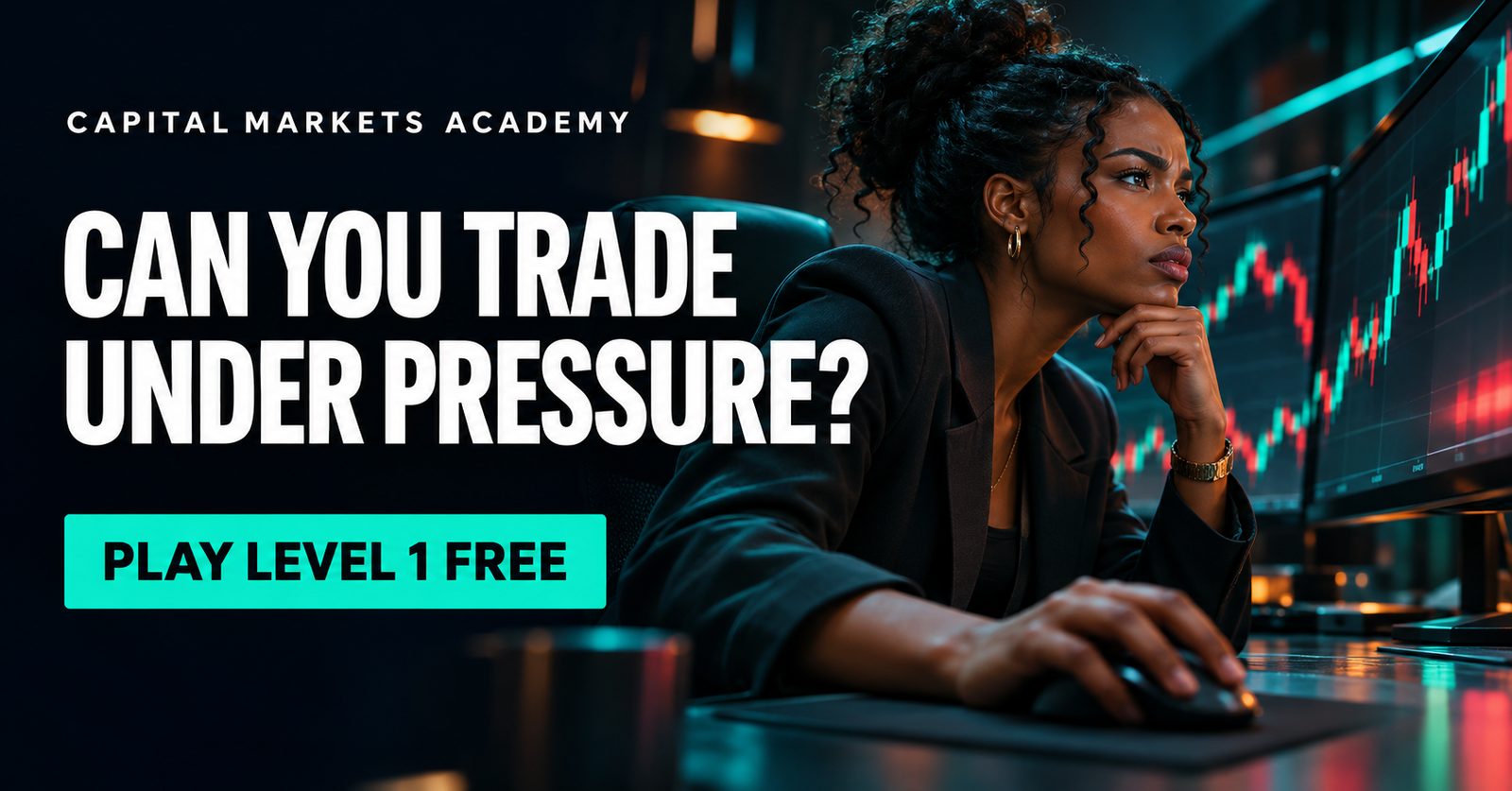
Over the years I have sat in the same room as intelligent, well-paid professionals who were losing money in the markets to behavioural patterns they did not understand. They were not careless or uninformed. Many had already invested in trading education elsewhere before joining my community. When I looked closely at where the money actually went, the pattern was consistent. They knew what to do, and in the moment that mattered, they did something else.
Behavioural scientists call this the intention-action gap: the distance between what we plan to do and what we actually do. In trading, most of the damage happens inside that gap.
Why knowing is not enough
Most traders know that moving a stop loss to avoid a loss is not always a good idea. A few days later, faced with a Wednesday afternoon trading opportunity, the same trader does exactly that.
This is not hypocrisy. It is how humans are wired. Kahneman and Tversky showed that losses feel heavier than equivalent gains, a bias known as loss aversion. In markets it shows up as the disposition effect: we sell winners too early and hold losers too long, hoping not to have to admit the loss.
The economist George Loewenstein named another trap, the hot-cold empathy gap. When we are calm, we consistently underestimate how differently we will behave when we are anxious or afraid. The trader who writes a careful plan on Sunday evening is, in a real sense, not the same decision-maker who executes it midweek.
So the problem is not information. It is behaviour under stress. Behaviour is not changed by being told things. It is changed by practice.
Why this game
The Capital Markets Academy game was not designed in theory. It grew out of teaching thousands of traders on my training courses, and from watching closely where their decisions held and where they broke. The same pressure points came up again and again. The game is built to recreate those points.
It gives you three things a lecture or textbook cannot:
1. Safe failure. You can make the costly mistake, see precisely what it would have cost, and leave with the lesson while your capital stays intact.
2. Immediate feedback. Learning depends on a tight loop between action and consequence. The game closes that loop in seconds. A month-end broker statement closes it weeks later, after the emotional link to the decision has gone.
3. Revealed rather than stated behaviour. What we say we would do and what we actually do under pressure are rarely the same. The game records the second. That is where self-awareness begins.
The game applies the decision governance principles behind Aulteus Logic™. Every choice is scored, so you get an objective read on how disciplined you were rather than how disciplined you felt. It is free. Strong performers can also earn a seat in our Live Trading Session, where they see the same principles applied while real markets move.
Three moments that reveal your trading behaviour
When you play, watch for three moments. Together they form a simple diagnostic.
- Your first instinct. Is it a plan or a reaction? This shows whether you are deciding or responding.
- The moment you break your own rule. What triggered it? A loss, a fast move, boredom? This is your personal pressure point.
- What you do straight after a loss. Do you reset, or do you try to win it back? Of the three, this tells you the most about your future results.
Once you have identified your trigger, turn it into an implementation intention, a technique studied extensively by psychologist Peter Gollwitzer. Write a specific "if X, then Y" rule, for example: "If I take a loss, then I step away from the screen for 15 minutes." Pre-committed responses hold up under pressure far better than general resolutions.
It is far cheaper to meet that version of yourself in a simulation than in your brokerage account.
If the game shows you something uncomfortable, that is the point.
Your next step
Play the free Capital Markets Academy game: game.capitalmarketsacademy.com
Note your score and which of the three moments caught you out. Then share it on my LinkedIn post about this article. I read every reply.
If the game has shown you something about how you decide, the next step is to understand why. Our ebook goes deeper into the behavioural patterns behind trading decisions and the framework for governing them. It is written to change how you look at every trade you take.
Request our ebook here: www.capitalmarketsacademy.com
My name is Sam Onigbanjo, AI Inventor of Aulteus Logic.
Keep reading
Educational content only. Not financial advice. Trading carries risk of loss. Past performance does not indicate future results.